The Ultimate Guide to Finding Your Perfect Running Shoes
Running shoes form the foundation of every successful workout, whether you're training for a marathon or enjoying a neighborhood jog. Choosing footwear that matches your needs prevents injuries and enhances performance. This guide breaks down key considerations when selecting running shoes.
First, understand your foot mechanics. Are you an overpronator (foot rolls inward) or underpronator (foot rolls outward)? Visit a specialty store for gait analysis – it’s game-changing for injury prevention. Neutral runners benefit from cushioned models like the Brooks Ghost, while stability options such as the ASICS Gel-Kayano support overpronation.
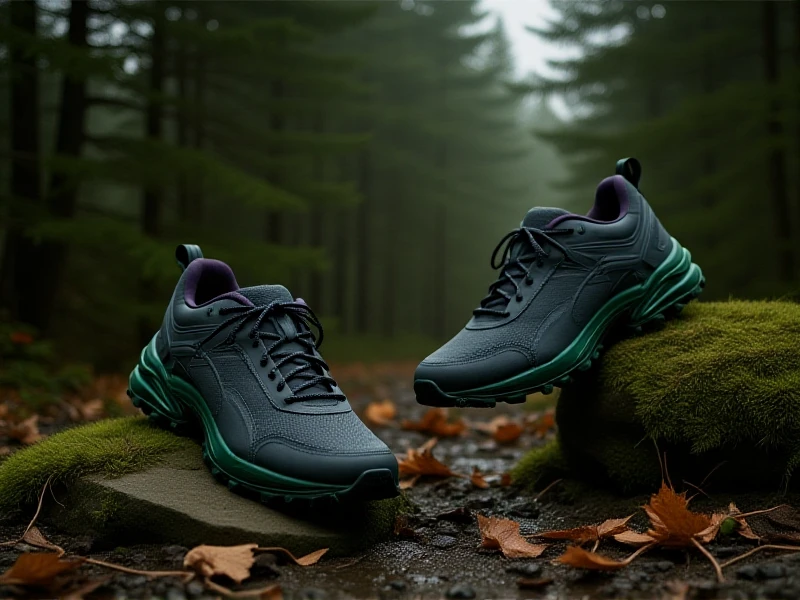
Prioritize terrain-specific designs. Road running shoes feature lightweight cushioning for pavement, while trail versions like Salomon Speedcross offer aggressive treads and waterproofing for uneven paths. For versatile training, hybrid styles work across multiple surfaces.
Fit remains non-negotiable. Your running shoes should have a thumb’s width of space at the toe to prevent blisters. Test them later in the day when feet swell, and always wear performance socks. Brands like Nike and New Balance now offer foot-scanning tech for precision sizing.
Replace every 300-500 miles as midsole cushioning deteriorates. Rotate between two pairs to extend lifespan – letting materials decompress reduces impact strain.
Remember: Price shouldn’t dictate quality. Entry-level models from Adidas or Hoka often outperform premium ones if they align with your biomechanics.
Ready for healthier runs? Investing time in finding your ideal running shoes pays dividends in comfort and endurance. Lace up confidently!
( 422)