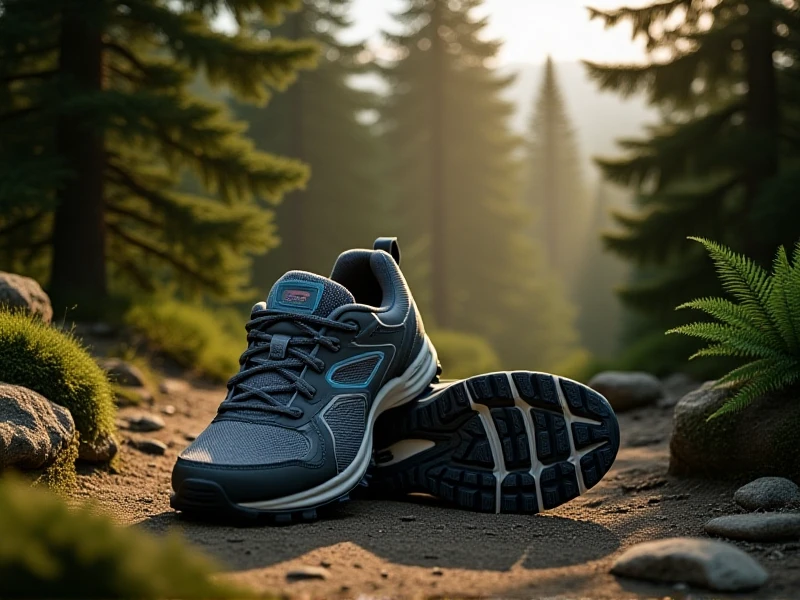
Trail Shoes Explained: Your Essential Guide to Conquering Every Terrain
****
Choosing the right footwear is more than just a comfort choice; it's fundamental to stability, performance, and safety when moving beyond paved paths. For exploring trails and rugged terrain, trail shoes are purpose-built athletic shoes engineered to grip, protect, and support you over variable, uneven ground. Understanding their features helps your feet confidently tackle nature’s obstacles.
Essential Features of Trail Shoes
- **Aggressive tread patterns for gripping mud, rocks, and roots, and protective features to shield your feet from debris and impacts.
So, What Defines a Genuine Trail Shoe? Here's a closer look at the pivotal design elements:
- Specialized Outsoles: Look for trail shoes with deeply-lugged rubber outsoles designed for multi-directional traction. The rubber compound is stickier and more durable. Vibram® rubber is a popular benchmark.
- Enhanced Stability Platforms: Uneven ground is the norm on the paths. Trail-specific midsoles are often firmer and incorporate features like wider bases, rock plates (thin shields embedded in the midfoot/frontfoot), or TPU chassis to prevent excessive twisting and protect your feet from sharp rocks. Low-drop models are common for natural foot positioning but higher stack heights offer more cushion.
- Protective Uppers: Durable materials like abrasion-resistant synthetic mesh or reinforced ripstop fabrics shield toes and the sides from sharp trail elements like rocks and brush. Toe bumpers are standard. Fit tends to be a little roomier than road shoes in the toe box to accommodate foot swelling over distance.
- Secure Foot Hold: Integrated lacing systems and structured heel counters lock your foot firmly in place to prevent slipping within the shoe, especially on descents or uneven ground.
- Consider Waterproofing: While traditional waterproof membranes (like GORE-TEX®) provide excellent protection from rain and streams, they reduce breathability, potentially making feet hot and sweaty over time. Non-waterproof shoes drain and dry faster if water crossings are involved. Consider your activity's nature and environmental conditions.
How Do Trail Shoes Differ?
- Vs. Road Running Shoes: Road shoes prioritize cushion and lightweight feel. They lack the aggressive tread, stability features, and durable upper protection needed for uneven surfaces and debris. Using road shoes on trails significantly increases your risk of slips and foot injuries.
- Vs. Hiking Boots: While both excel off-road, hiking boots are typically heavier and stiffer, offering superior ankle support and underfoot protection for carrying heavy loads or tackling very technical terrain. Trail shoes are generally lighter, more flexible, and optimized for faster movement and lighter pack hiking or trail running.
Selecting Your Ideal Trail Partner:
For hiking, focus on cushioning, stability and ample protection features. Consider waterproof models based on weather patterns. Trail runners should prioritize lightness, agile tread patterns and excellent breathability. If speed and minimalism are your aim, seek out low-profile, non-waterproof models.
Proper Fit is Absolute Key!
Invest time in getting the right size. Feet often swell during activity. There should be about a thumb's width of space (6-10mm) beyond your longest toe to prevent bruising toenails downhill. Your foot should feel secure without restriction or uncomfortable pressure points. Consult a reputable outdoor or running specialty store for expert measurements and gait analysis.
Understanding these critical characteristics empowers your decisions. The right pair of trail shoes elevates your performance, enhances your safety, and allows you to navigate nature's complexities with sure-footed confidence. Do you have other queries regarding trail footwear for your specific adventures?