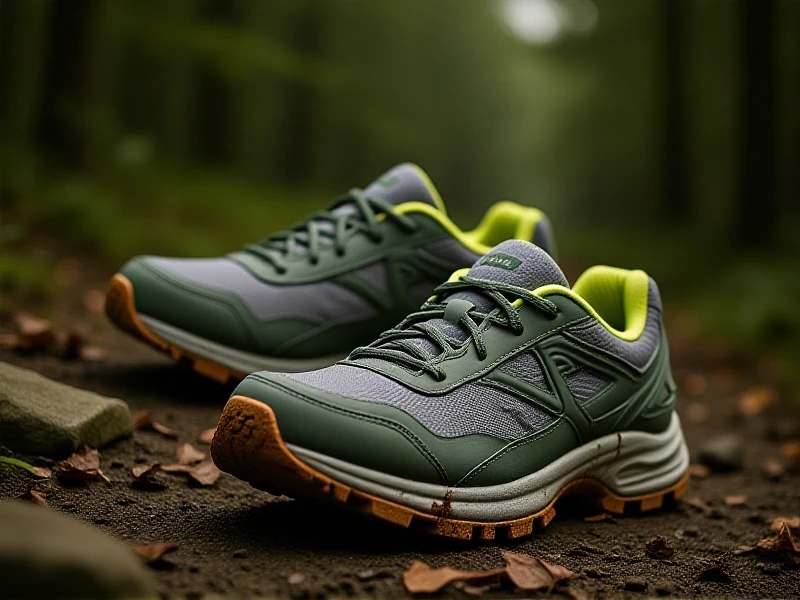
Running Shoes: Finding Your Perfect Match for Performance and Comfort
Choosing running shoes isn't just a purchase; it's an investment in your performance, comfort, and injury prevention. With countless models boasting different technologies, selecting the right Running Shoes can feel overwhelming. This guide breaks down the key elements to consider for your next pair.
The most crucial factor is fit. Shoes that are too tight cause blisters and black toenails; too loose leads to slippage and instability. Running Shoes need about a half-thumb's space between your longest toe and the shoe end. Ensure a snug hold in the midfoot and heel without uncomfortable pressure. Visit a specialized running store for a professional gait analysis if possible. This analysis reveals your pronation (how your foot rolls inward) – normal, over, or under – guiding you towards neutral, stability, or motion control shoes.
Next, consider cushioning. Modern Running Shoes offer extensive protection from impact. High-cushion models are ideal for road runners, long distances, or runners needing joint relief. Lightweight, responsive cushioning suits speed workouts or runners who prefer ground feel. Evaluate softness versus responsiveness based on your needs and preferences. Materials like specialized foam or air units enhance shock absorption and energy return.
Drop indicates the height difference between heel and forefoot. Running Shoes typically range from zero-drop (level) to 10-12mm. Higher drops can reduce strain on Achilles tendons and calves, often preferred by newcomers or heel strikers. Lower drops promote a more natural footstrike but require adaptation. Stick with what feels comfortable if you run injury-free.
The outsole's rubber compound and tread pattern determine traction and durability. Running Shoes designed for roads prioritize smoother, harder-wearing rubber. Trail running shoes require aggressive lugs and durable compounds for varied, slippery terrain. Inspect the traction pattern to match your primary running surface.
Finally, evaluate breathability and weight. Mesh uppers providing airflow keep feet dry and comfortable during runs. Balancing breathability with necessary support is key. For speed-focused sessions or races, lighter Running Shoes reduce fatigue over distance. Training shoes can afford slightly more weight for durability.
By prioritizing fit, understanding your gait and cushioning needs, considering the drop, selecting the right outsole for your terrain, and valuing breathability and weight, you'll confidently choose Running Shoes that support your unique running journey. The perfect pair enhances your stride and makes every run more enjoyable. Explore our guides and collections to discover your next favorite running partner! Happy running!