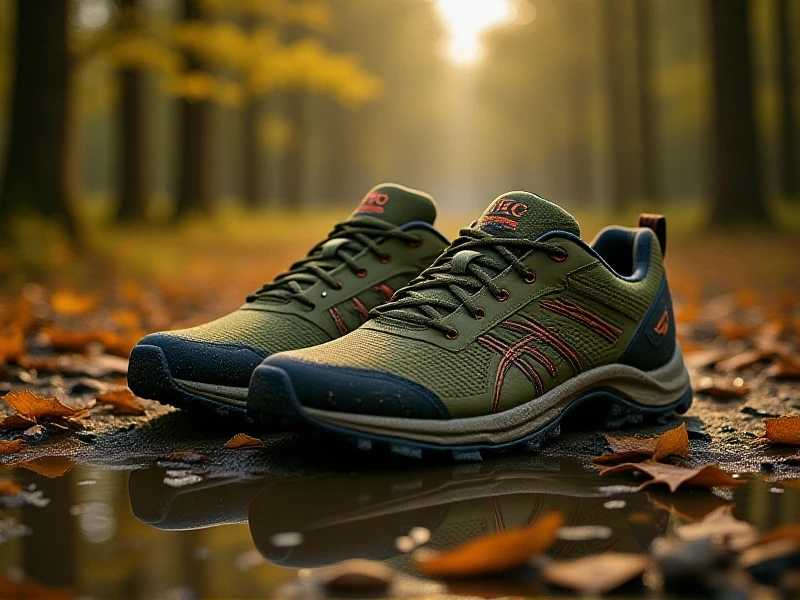
The Ultimate Guide to Choosing the Perfect Running Shoes
Finding the right running shoes transforms your workout from painful to powerful, whether you're a seasoned marathoner or a beginner jogger. Proper running shoes cushion your joints, enhance stability, and prevent injuries—making your choice crucial. Here’s how to pick the ideal pair.
Understand Your Gait
Your stride dictates your shoe type. Overpronators (feet rolling inward) need stability shoes for support; neutral runners benefit from balanced cushioning. Visit a specialty running store for gait analysis. Brands like Brooks and ASICS offer models like Adrenaline GTS and Kayano for precise support.
Prioritize Comfort and Fit
Never prioritize style over feel. Size up half a step to accommodate foot expansion during runs. Aim for a thumbnail’s space at the toe, secure heel grip, and seamless interior. Break them in with short walks before hitting the pavement. Nike Pegasus and Hoka Clifton offer cozy yet responsive designs.
Technology Matters
Modern running shoes feature innovations like responsive foam midsoles (Adidas Boost), carbon plates for rebound (Saucony Endorphin Pro), and lightweight breathable uppers (New Balance Fresh Foam). Waterproof Gore-Tex variants from Salomon are ideal for trail conditions.
Replace Regularly
Worn-out running shoes lose shock absorption, risking shin splints or stress fractures. Replace them every 300–500 miles. Track mileage via apps like Strava.
Invest in quality running shoes—it’s an investment in your health and performance. Test pairs during evening runs (feet are largest then) and embrace the perfect run!
( 400)