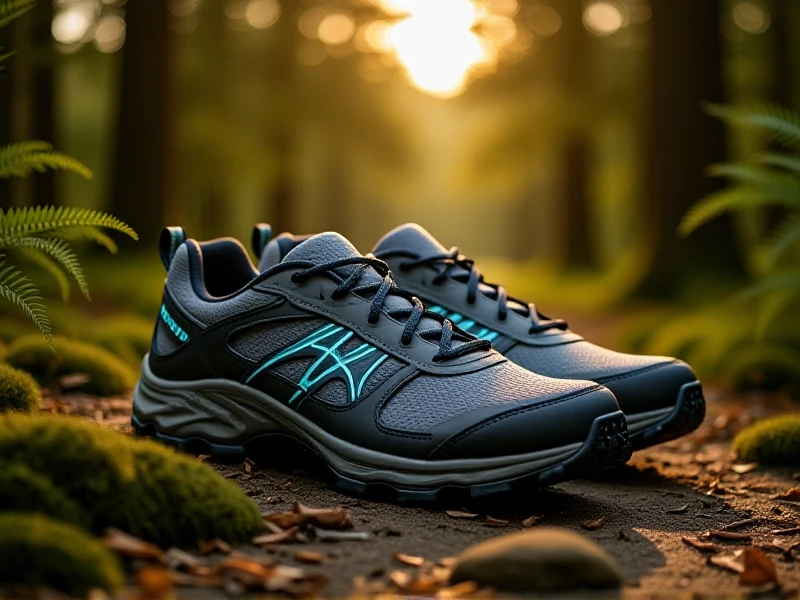
Choosing the Perfect Trail Shoes for Your Outdoor Adventures
Are you tired of slipping on muddy trails or feeling foot fatigue after a short hike? As someone who spends weekends exploring mountains and forests, I've learned that the right trail shoes can make or break your outdoor experience. Trail shoes are engineered for off-road terrain, offering unmatched grip, cushioning, and protection on unpredictable paths. In this guide, I'll walk you through everything you need to know to find your ideal pair, whether you're a casual hiker or a seasoned trail runner. After years of testing various models, I can confidently say that investing in quality trail shoes transforms your adventures—let's dive in!
First, let's clarify what sets trail shoes apart from regular sneakers. Unlike urban shoes, they feature aggressive tread patterns designed for maximum traction on rocks, roots, and loose dirt. This deep lugs prevent slips, which I've witnessed firsthand during rainy hikes in the Rockies—my feet stayed secure thanks to the dependable grip. Trail shoes also boast reinforced toe caps to shield against stubbly obstacles, and many come with water-resistant uppers to keep moisture at bay. For instance, models with Gore-Tex linings allow you to splash through streams without soggy socks. Plus, the cushioning is key for long days on uneven ground; I recall a 10-mile trek where my trail shoes absorbed impact so well that I avoided common aches like plantar fasciitis.
Now, how do you choose the best trail shoes for your needs? Start by evaluating your typical terrain. If you tackle rocky, technical trails, look for shoes with robust outsoles and stiff midsoles for stability—brands like Salomon's Speedcross or Merrell's Moab series excel here. For softer, muddy routes, prioritize deeper lugs and quick-drying materials to handle wet conditions. Next, focus on fit; your feet swell during activity, so try shoes in-store or size up slightly for comfort. I learned this the hard way after a cramped hike—now, I always test new pairs with hiking socks. Also, consider weight: lighter trail shoes offer agility for runners, while heavier ones provide extra support for backpacking. Don't forget breathability; in summer heat, mesh panels prevent blisters and overheating, as I discovered on sun-soaked desert trails last year. Finally, think about versatility—hybrid designs work wonders for mixed terrains, combining trail features with everyday wearability.
In closing, trail shoes are more than just footwear; they're a game-changer for safety and enjoyment in the wild. By focusing on factors like grip, fit, and durability, you'll elevate your performance and reduce injury risks. I urge you to head to a local outdoor shop or reputable website for demos—once you find your perfect match, you'll wonder how you ever hiked without them. Happy trails, and may your next adventure be your best yet!
Approximately 430 words.