What Makes Trail Shoes Different? Enhance Your Hike with Performance & Protection
< What Makes Trail Shoes Different? Enhance Your Hike with Performance & Protection>
Trading pavement for dirt, rocks, and roots? Don't wear old runners! Trail shoes are your essential partners for off-road adventures. Unlike regular sneakers, they are specifically engineered to tackle nature's variable terrain, boosting safety, comfort, and enjoyment. Understanding their core features helps you choose the perfect pair.
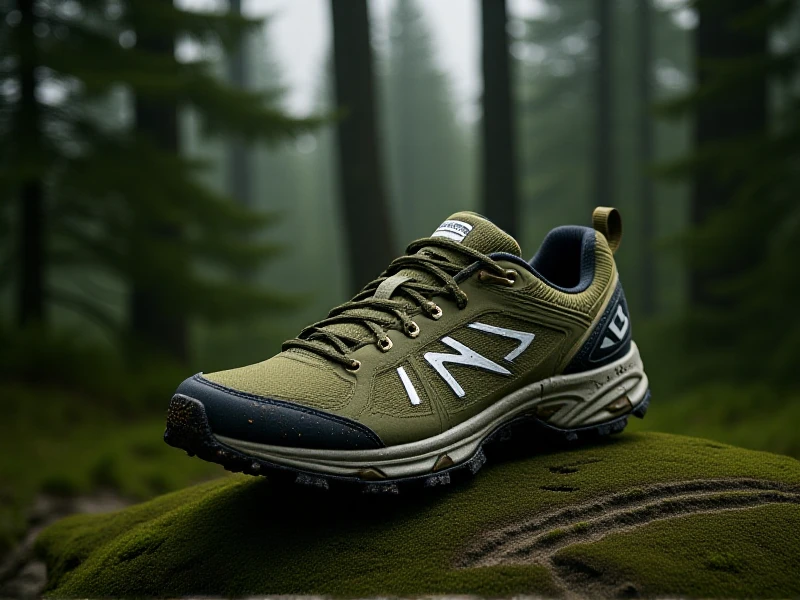
Arguably the most critical feature is a specialized outsole. Trail shoe outsoles use deep, aggressive lugs made from stickier rubber compounds. Unlike smooth running shoe soles, these provide much-needed grip on unpredictable surfaces. Deep lugs claw into soft mud or loose scree, preventing slips; sticky rubber adheres to wet rocks and roots, where standard soles fail miserably. This secure footing builds confidence, especially on steep inclines and declines.
Protection is paramount on the trail where rocks, branches, and uneven ground are constant. A protective shield, usually made from a plastic plate or dense foam layer, lies beneath the cushioning inside the sole. This protective element defends your feet against sharp impacts from rocks or roots. While lightweight, it significantly reduces discomfort ("bruising" sensations) and potential injury.
Furthermore, trail shoes prioritize stability and support. Hiking uneven, technical paths demands extra security for your feet and ankles. Trail models achieve this through wider base designs for better balance, enhanced midsole materials offering torsional rigidity that reduces twisting, and sometimes higher collars providing light ankle bracing or protection from debris. This superior support is vital over long distances or carrying loads. Underfoot cushioning varies; some choose plush options for comfort on long days, others prefer firmer performance for better feel and agility.
Durability is key outdoors. Upper materials are tougher and more resilient to abrasion from rocks, bushes, and trail debris; overlays reinforce high-wear zones. Many trail shoes offer toe bumpers for added frontal protection. Look for dependable options like GORE-TEX® liners if facing regular wet conditions.
When your routes include rocks, mud, steep hills, or even desert paths, the proper trail shoes elevate the experience. Their unique blend of aggressive traction, essential protection, dedicated stability, and rugged construction provides a secure, connected feel to the trail beneath you. Invest in the right trail shoes for unparalleled performance, protection, and freedom as you explore.