Choosing the Perfect Trail Shoes for Your Next Adventure
Hitting the trails? Your feet deserve gear that conquers rocks, roots, and mud with confidence. That's where dedicated trail shoes step in, distinct from regular sneakers or even road running shoes. Understanding what makes a great pair can transform your off-road experience.
Why Trail Shoes are Essential
Unlike smooth pavement, trails present uneven terrain, slippery surfaces, and unpredictable obstacles. Trail shoes are engineered specifically for this challenge. Key features include:
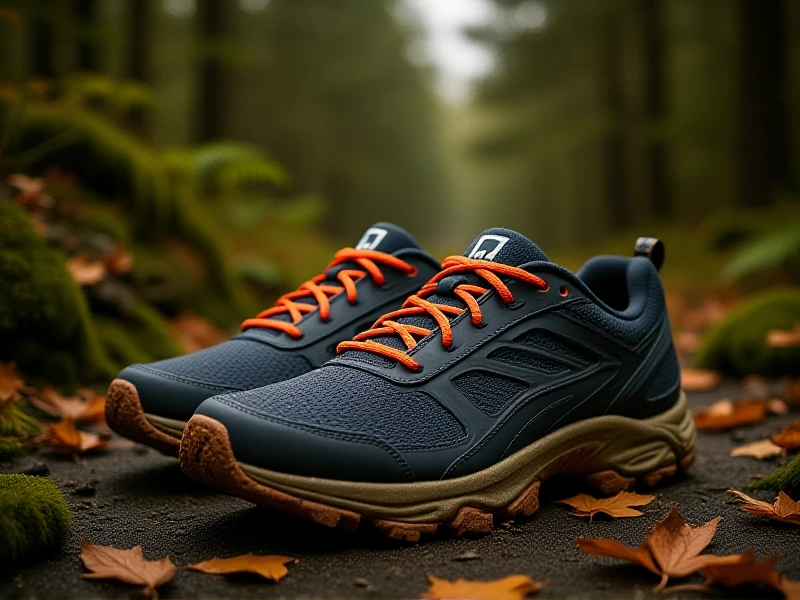
- Aggressive Outsoles: The hallmark of trail shoes is a deep, multi-directional lug pattern (often 5mm or deeper). This provides outstanding grip on dirt, loose gravel, wet rocks, and muddy patches, preventing slips and giving you confidence on tricky descents.
- Protective Features: Look for durable toe bumpers (often reinforced rubber) to shield your toes from stubbed roots and rocks. Many trail shoes also incorporate thin, flexible rock plates nestled between the outsole and midsole. These plates protect your feet from sharp objects underfoot without sacrificing ground feel.
- Enhanced Stability: Trail unevenness demands stability. Trail shoes often have wider platforms than road shoes, providing a more stable base, especially on cambered trails or uneven rocks. Supportive heel counters and structured midsoles also contribute to keeping your foot secure within the shoe.
- Durable & Protective Uppers: To withstand abrasion from brush, rocks, and debris, uppers are typically constructed from tougher materials like reinforced mesh, synthetic overlays, or even lightweight ripstop fabrics. Drainage ports are common on models aimed at wet conditions to let water escape quickly.
- Secure Fit: Expect features like gusseted tongues (fabric connecting the tongue to the sides) to prevent dirt and small stones from entering. Lace systems are often designed to lock the heel down effectively, minimizing foot movement inside the shoe on steep terrain.
Finding Your Trail Shoe Match
When selecting the best trail shoes:
- Consider the Terrain: Are you tackling dry, rocky mountains? Soft, muddy paths? Your local terrain influences lug depth and whether a rock plate is crucial.
- Cushioning Level: Like road shoes, trail shoes offer varying cushioning, from minimalist to maximum stack heights. Think about distance and your preference for ground feel vs. impact protection.
- Fit is Paramount: Trail shoes should fit snugly but comfortably in the heel and midfoot to prevent slippage, with ample room in the toe box (a thumb's width is a good rule) to accommodate foot swelling and downhill movement. Always test them during the day when feet are naturally larger. Consider pairing them with quality hiking socks or trail-specific running socks.
Investing in the right trail shoes unlocks safer, more comfortable, and ultimately more enjoyable adventures. Your feet carry the journey; equip them with the protection and grip they need to explore further. Ditch the pavement occasionally and feel the difference specialized footwear makes on your favourite trail running or hiking routes. Time to gear up and hit the dirt! ✨#TrailShoes #TrailRunning #HikingGear #OffRoadRunning #TrailAdventure